







Search Results for: aroma cup
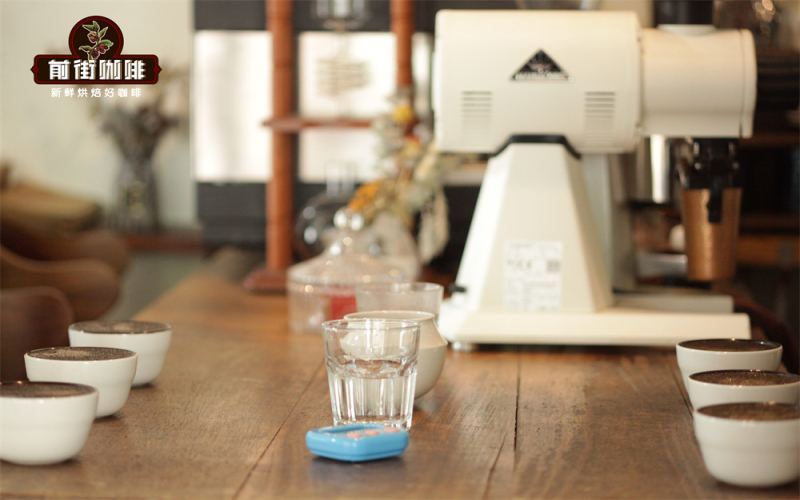
A Detailed Guide to the SCA and CoE Coffee Cupping Scoring Systems: Flavor Wheel Application and 2023 HD Wallpaper Resources
Cupping is the primary step for verifying coffee quality after roasting. By standardizing grind size, coffee-to-water ratio, water temperature, and steep time, it objectively reveals a bean's truest flavors. This article systematically outlines the purpose of cupping, the required equipment, and standard parameters, walks step by step through the complete process of pouring, smelling, breaking the crust, and slurping, and takes an in-depth look at the eight scoring categories on the CoE cupping form and how they differ from the SCA scoring system. It also compiles common descriptive terms from the flavor wheel and includes a high-resolution 2023 flavor wheel wallpaper resource, making it a handy reference for coffee enthusiasts and professionals alike. [more…]
Barista Essentials: A Complete Guide to COE and SCAA Cupping Scoring Standards, from Clean Cup to Overall
If you want to become a professional barista, cupping is a core skill you can't avoid. This article systematically sorts out the scoring standards of the two major cupping systems, COE and SCAA, analyzing the scoring points and deduction rules one by one, from aroma, cleanliness, sweetness, acidity, mouthfeel, flavor, aftertaste to balance. It also explains in detail the tools needed for cupping, the coffee-to-water ratio, and the operating process, and uses [Front Street Golden Mandheling] as an example to compare the cupping performance of three roasting curves. Whether you are a coffee enthusiast or a practitioner, you can learn from it the scientific method of judging coffee quality and understand the true meaning of COE competition level. [more…]
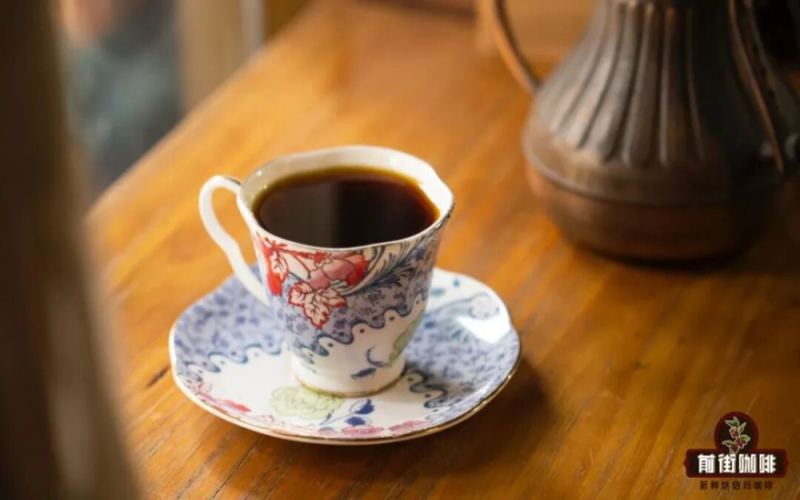
Introduction to Coffee Tasting: How Cup Rim Shape Affects the Aroma and Mouthfeel of the Same Pot of Coffee
In coffee tasting, the cup is not just a container—the design of the rim directly affects aroma release and the path the coffee takes as you sip. This article compares three mainstream rim types—open, straight, and tapered—using the same brew to contrast dark-roasted Front Street Blue Mountain No. 1, medium-roasted Front Street Sidra, and light-roasted Geisha Village Red Label, recording the flavor differences at the aroma, hot, and cool stages. It also explains the sensitivity of different areas of the tongue to taste and offers pairing suggestions for coffees of different roast levels with cup types, including Front Street Huakui, Front Street Little Tomato, Front Street Mandheling, Front Street Yirgacheffe, and Front Street Strawberry Candy. [more…]
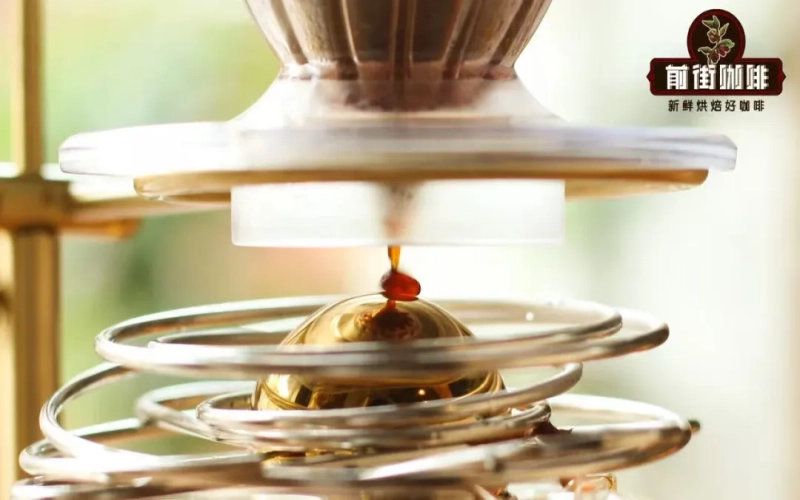
How Does Cup Temperature Affect Coffee Flavor? A Comparative Experiment on Preheating vs. Chilling a Pour-Over Coffee Cup
Coffee aroma is volatile, and the higher the temperature, the faster it dissipates, so some have proposed using low-temperature containers to lock in the aroma. Front Street Coffee compared three types of pour-over coffee vessels—a high-temperature cup, a room-temperature cup, and a frozen cup—to test whether cup temperature truly affects coffee aroma and flavor performance. The experiment used Kenya Asaliya coffee beans with uniform brewing parameters, and the results showed that cup temperature mainly changes the temperature of the coffee when it enters the mouth, rather than the amount of aroma, but temperature differences do indeed cause noticeable changes in flavor perception. This article will present the experimental process and conclusions in detail, and offer cup selection suggestions for different weather conditions. [more…]
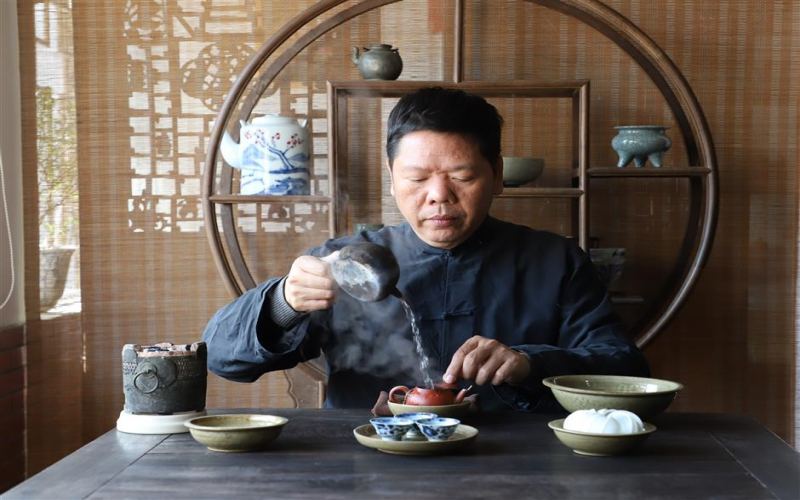
Analyzing the Differences in Gongfu Tea Brewing Between Chaoshan, Fujian, and Taiwan: From the Use of the Fairness Cup to Aroma Appreciation with the Fragrance Cup, and a Discussion of Mindfulness Practice in the Way of Tea
As the essence of Chinese tea culture, Gongfu tea has developed distinctive brewing systems across different regions. The Gongfu tea styles of Fujian and Taiwan appear more "inclusive" due to the introduction of the fairness cup (gongdao bei): the tea liquor is first poured from the lidded bowl (gaiwan) into the fairness cup, then distributed into tasting cups, ensuring consistent strength in every cup. Both regions also retain the aroma cup, a tall, slender vessel specifically used to capture the complex aromatic layers of oolong tea. The serving process is full of ritual: tea is brewed first, then decanted through the fairness cup, and afterward poured into the aroma cup, which is covered and flipped with the tasting cup; the host slowly lifts the aroma cup to let the guest appreciate the fragrance. Unfortunately, the aroma cup is no longer as popular in Fujian as it is in Taiwan. Fujian people brew Wuyi rock tea this way, while Taiwanese people use it for high-mountain oolong. Gongfu tea is not merely a brewing technique but a practice of mindfulness, sharing a spiritual core with yoga. This article will compare the similarities and differences of Gongfu tea across the three regions in depth, and share Front Street Coffee's understanding of tea ceremony practice. [more…]
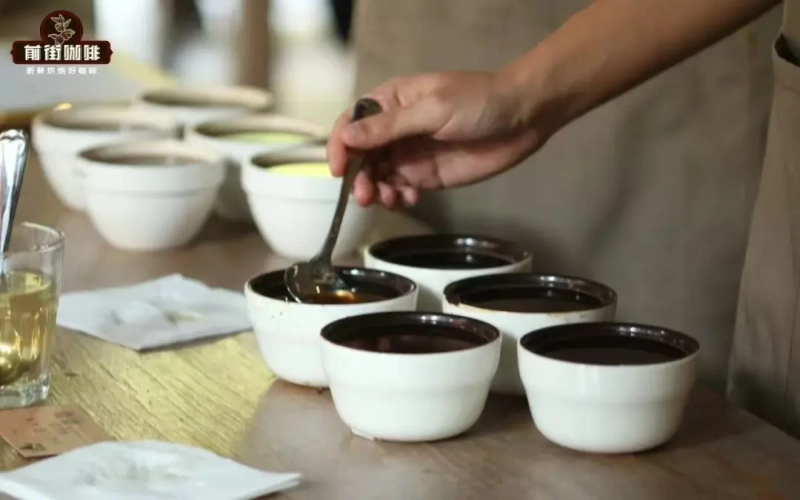
From Dry Aroma to Aftertaste: A Complete Guide to the Specialty Coffee Cupping Process and Tasting Key Points
For friends who are just getting into specialty coffee, the term "cupping" may feel both familiar and unfamiliar. Although people often mention it, when it comes to actually attending a cupping session, many are not clear about what exactly to do or which details to pay attention to. This article starts from practical operation and provides a complete overview of the four major stages of cupping—observing the beans, evaluating the dry aroma, experiencing the wet aroma, and tasting by mouth—and, with an on-site demonstration using two Front Street Coffee Geisha beans, breaks down one by one the scoring items and sensory key points on the cupping form. It will also share how to deal with common problems such as olfactory fatigue and being unable to taste the flavors, helping beginners more calmly capture the full picture of the coffee during cupping. [more…]
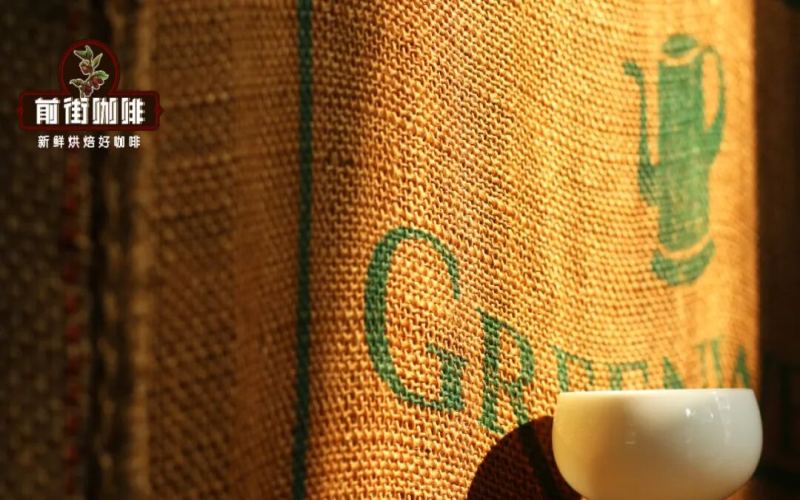
Pour-Over Coffee Tasting | Does Coffee Taste Differ with Different Cup Shapes? Which Cup Shape of Coffee Tasting Cup Should Be Paired for Tasting Different Coffees?
As the saying goes, a good horse deserves a good saddle, and good tea belongs in a fine jar. As the main vessel for holding coffee, the impact of different cup designs on tasting has gradually drawn people's attention. Some coffee shops even spend lavishly on a set of coffee cups dedicated to serving, in order to create a dual experience for the eyes and the palate. Just like wine, cups [more…]
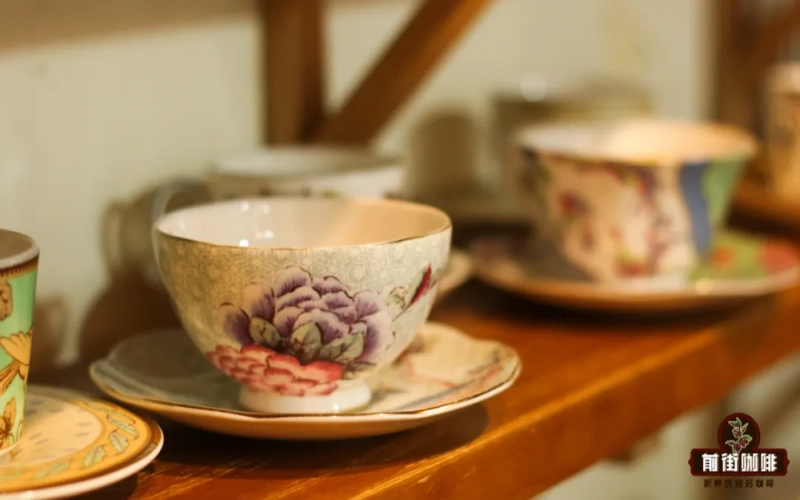
Is a coffee tasting cup worth buying? Does a aroma cup provide any real help in enhancing aroma? Training ideas for sensory perception of pour-over flavor
Coffee drinkers often run into a question: those uniquely shaped tasting cups—do they really help us better perceive flavor, or are they just a waste of money? This time, Front Street will start with the origins and design logic of tasting cups, breaking down clearly the reasons why a cup affects taste and smell. It will also discuss whether aroma cups are actually useful, and how we can train our flavor perception in everyday pour-over brewing. If you've ever stood indecisively in front of a row of cups, or want the pour-over in your hands to taste more layered, this article will offer some practical reference. [more…]
From Dry Aroma to Aftertaste: A Detailed Explanation of the Complete Single-Origin Coffee Cupping Process and Flavor Evaluation Logic
In the world of specialty coffee, flavor is the core dimension by which quality is measured. Different origins, varieties, and processing methods interweave to create an ever-changing spectrum of taste—the citrus and floral notes of washed Yirgacheffe, the balanced smoothness of washed Blue Mountain, the herbal and spicy aromas of wet-hulled Mandheling, to name but a few. Front Street Coffee has always made cupping a key part of its daily quality control, using it to distinguish flavor differences between batches. Whether you buy beans, sell beans, or roast them, cupping is an indispensable evaluation tool—it allows you to compare batches, sketch out flavor profiles, and pinpoint defects in green beans and roasting. This article will break down the common cupping terminology and key operational points one by one, from aroma, acidity, flavor, and body to aftertaste, helping you build a systematic tasting language. [more…]
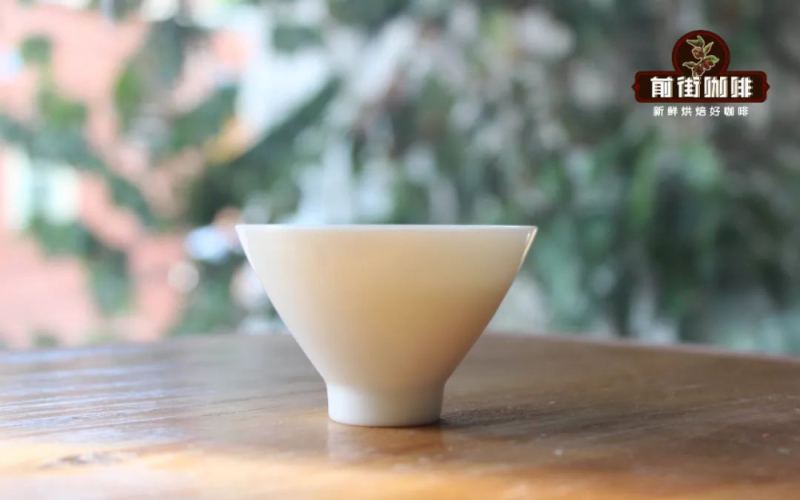
How the shape of the cup rim changes the flavor expression and drinking experience of pour-over coffee
When drinking pour-over coffee, does the shape of the cup really affect the taste? Front Street used three common cup types—wide-mouth, straight-walled, and tapered—to conduct a comparative tasting of the same coffee, and found that aroma, acidity, sweetness, and body all show noticeable differences depending on the rim design. Starting from cup type classification, this article combines the brewing performance of Guatemala Geisha, Brazil Queen's Estate, and Ethiopia Yirgacheffe Gutingding to analyze how different rims guide the flow of coffee liquid in the mouth and temperature changes, and offers cup selection suggestions for acidic, bitter, and aroma-forward coffee beans, helping coffee enthusiasts find a drinking method that suits them better. [more…]
Introduction to Coffee Tasting: The Complete Process from Aroma to Aftertaste and Flavor Description Methods
Drinking coffee is not just about swallowing; truly professional tasting is a three-dimensional experience that engages the senses of smell, taste, and touch. Many enthusiasts want to know how to discern the quality and differences of coffee like an expert, and Front Street Coffee has specially put together a basic tasting course for this purpose. This article breaks down tasting into two levels: process and perspective, from the dry aroma during grinding and the wet aroma after brewing, to the layered changes in flavor at high and low temperatures, and then draws on the detailed dimensions of COE cupping—aroma, cleanliness, sweetness, acidity, mouthfeel, flavor, aftertaste, and balance—to explain one by one how to perceive and express the unique charm of a cup of specialty coffee. [more…]
From Aroma to Aftertaste: Master the Complete Professional Coffee Tasting Process and Flavor Description Methods
Drinking coffee and tasting coffee are two different things. Truly professional tasting requires engaging the senses of smell, taste, and touch, progressively capturing the three-dimensional character of a cup of coffee—from dry aroma and wet aroma to the flavor changes at high and low temperatures. This article uses Front Street Coffee's tasting class as a thread, systematically outlining the basic process of tasting coffee, and drawing on the dimensions of COE cupping to explain one by one the methods for judging and describing aroma, cleanliness, sweetness, acidity, mouthfeel, flavor, aftertaste, and balance. Whether you are a beginner just getting started or an advanced enthusiast looking to improve your ability to articulate what you taste, you will find actionable tasting approaches and practical references here. [more…]
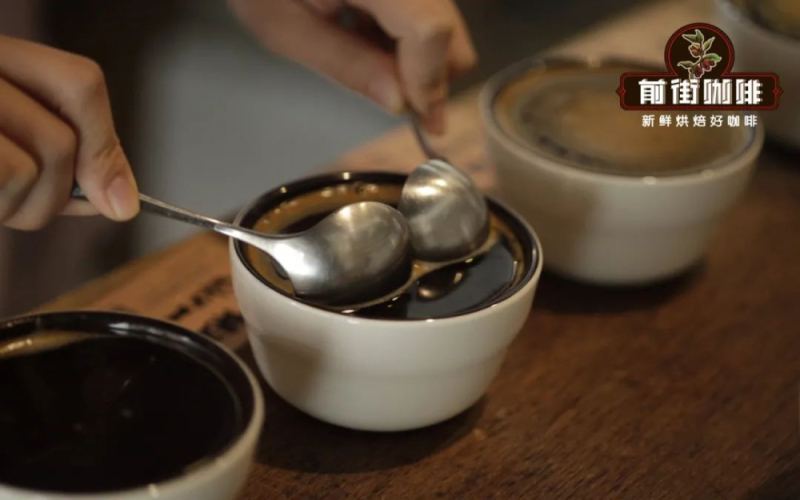
A Detailed Breakdown of the SCAA Cupping Score Sheet: Ten Dimensions from Aroma to Overall Evaluation
The SCAA cupping form is an important tool for judging quality in the specialty coffee industry. It consists of ten scoring categories, covering the complete sensory experience from dry aroma and wet aroma to overall assessment. This article explains the specific meaning and key evaluation points of each scoring dimension one by one: aroma is divided into dry aroma and wet aroma; flavor during slurping is the core basis for scoring; aftertaste measures the persistence of flavor; acidity distinguishes high-quality fruity acidity from undesirable acidity; body focuses on mouthfeel; uniformity checks whether the samples are consistent; balance assesses whether all aspects are harmonious; cleanliness is an essential threshold for specialty coffee; sweetness reflects harvest maturity and quality; and overall assessment reflects the cupper's comprehensive impression. Whether you are an enthusiast who has just encountered cupping or a professional hoping to refine your sensory skills, this item-by-item interpretation can help you understand the logic of using the SCAA cupping form more systematically. [more…]
From Aroma and Color to Sipping and Tasting: Mastering the Four Key Steps and Temperature Control of Pour-Over Coffee Tasting
A good cup of coffee deserves our serious attention from the moment it is set before us. Many people rush to take a sip as soon as they receive their coffee, but a complete tasting actually follows a careful procedure—first smell its aroma, then observe its color, then slurp loudly so the coffee liquid is fully atomized and coats the entire mouth, and finally smell the aroma lingering at the bottom of the cup to capture those shifting fruity and floral notes. Beyond the steps, temperature is equally key to how flavors express themselves: about 83°C at the moment of brewing, about 80°C when poured into the cup, and ideally 61 to 62°C when sipped. This article systematically lays out the correct way to drink pour-over coffee, from operational details to sensory experience, and explains the sources of bitterness, acidity, sweetness, aroma, and astringency in coffee, helping you taste layers and surprises in every sip. [more…]
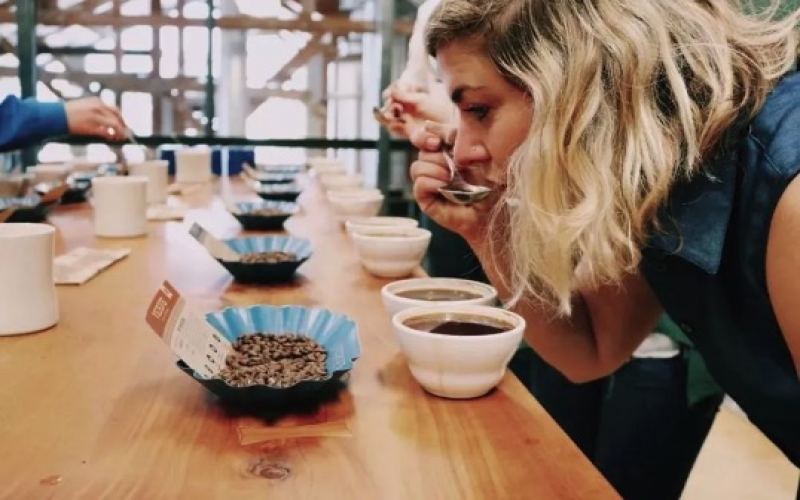
The scoring criteria for coffee cupping. SCA How to evaluate a cup of coffee.
The scoring criteria for coffee cupping. The cupping of coffee beans was initially to ensure whether the quality of the coffee beans that are about to enter the trade is qualified. With the passage of time, after the concept of specialty coffee was b [more…]
Introduction to Coffee Tasting: Flavor Description Methods and Characteristics of Pour-Over Coffee, from Aroma to Aftertaste
Tasting specialty coffee is like tasting wine: you must not only drink it, but also learn to perceive and express it. This article unfolds from two levels: the tasting process and the tasting dimensions. First, it lays out the complete steps of smelling dry aroma, wet aroma, and tasting at high and low temperatures; then, drawing on the subdivided COE cupping categories—aroma, cleanliness, sweetness, acidity, mouthfeel, flavor, aftertaste, and balance—it explains one by one how to describe the flavor of a cup of coffee. At the same time, it answers why we use "flavor" rather than "taste" to express coffee, and introduces the characteristics of pour-over coffee in terms of aroma layering and mouthfeel performance. The article also combines recommended products from Front Street Coffee to help enthusiasts build a systematic tasting framework, making every brew a well-grounded sensory exercise. [more…]
Flavor Characteristics of Pour-Over Coffee | How Can Coffee Beginners Taste a Cup of Pour-Over Black Coffee? From Which Aspects Should You Describe the Flavor of Single-Origin Coffee?
Introduction: Tasting coffee is like tasting wine. When we savor a cup of specialty coffee, we naturally have the desire to discern its flavors and express them. How should one taste a cup of coffee? This question can be broken down into two aspects: one is about the process of tasting coffee, and the other is about the perspective from which to approach [more…]
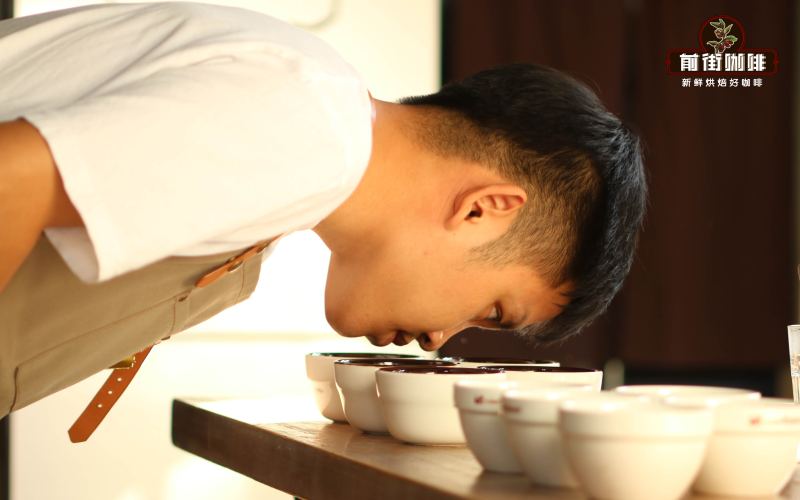
Introduction to the Coffee Cupping Procedure: How to Perform Coffee Cupping and What It Is For
There are many coffee extraction methods, and each one produces coffee with the character of that method. Therefore, an objective method with as little human intervention as possible is also needed to evaluate coffee's flavor or quality, and that method is cupping. Cupping is an immersion-style extraction, with no manual technique intervening during the process to extract [more…]
A Beginner's Guide to Coffee Tasting: From Aroma to Aftertaste, Master the Core Techniques of Flavor Description in Five Steps
Many friends who are just getting into specialty coffee, when faced with a cup, can only say "it's good" or "it tastes like coffee," while those around them can rattle off professional terms like floral notes, fruity acidity, and body. In fact, coffee tasting is not a gift—it is a method that follows a set of rules. Drawing on Front Street's practical experience, this article systematically explains the five key steps of coffee tasting—aroma, taste, flavor, mouthfeel, and aftertaste—to help you build a complete tasting framework, learn to translate sensory experience into precise language, and bid farewell to being at a loss for words, truly understanding every layer of expression in the cup. [more…]
A Guide to Floral Aromas in Light Roast Coffee: From Bean Selection to Aroma, Learn to Capture the Floral Notes in Your Cup
The pleasure of coffee goes far beyond simply waking you up—it hides in the layered, intricate details of aroma. Floral notes are one of the most recognizable flavors in specialty coffee, closely tied to variety, origin, processing method, and roast level, with light-to-medium roasts especially able to lock in this delicate fragrance. Starting with bean selection, this article introduces six representative Front Street Coffee floral coffee beans and systematically explains a complete tasting method from dry aroma to wet aroma to finish, helping coffee lovers learn to capture that hint of blossom in the cup and truly open the door to the world of specialty coffee flavors. [more…]